
The Role of SEO in Digital Visibility
Driving Organic Traffic
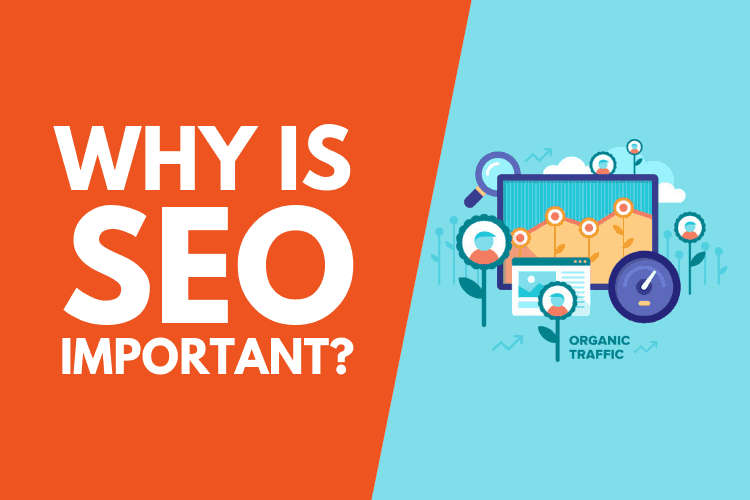
SEO plays an integral role in driving organic traffic to your website. By optimizing your website and its content for search engines, you increase the likelihood of appearing in the top results when potential customers search for products or services related to your business. This visibility is vital, considering the majority of users do not scroll past the first page of search engine results.
Increasing Brand Exposure
Moreover, SEO can significantly increase brand exposure. Even if a user doesn’t click on your website in the search results, simply appearing on the first page can enhance brand recognition. Over time, this recognition can translate into trust and credibility, increasing the chances that users will turn to your business when they’re ready to make a purchase.
SEO’s Impact on Brand Credibility
Building Trust with Users
A high ranking on search engine results pages (SERPs) not only increases visibility but also contributes to your brand’s credibility. Internet users often perceive websites that rank highly in organic search results as more trustworthy and reputable. By investing in SEO, you’re not just improving your website’s visibility, you’re also building trust with potential customers.
Providing Quality User Experience
Another often-overlooked aspect of SEO is its impact on the user experience. Good SEO practices often align with what makes a website user-friendly. This includes having a responsive design, clear navigation, high-quality content, and fast load times. By focusing on SEO, you’re also improving the user experience, which can lead to higher conversion rates.
Implications of Neglecting SEO
Missed Opportunities
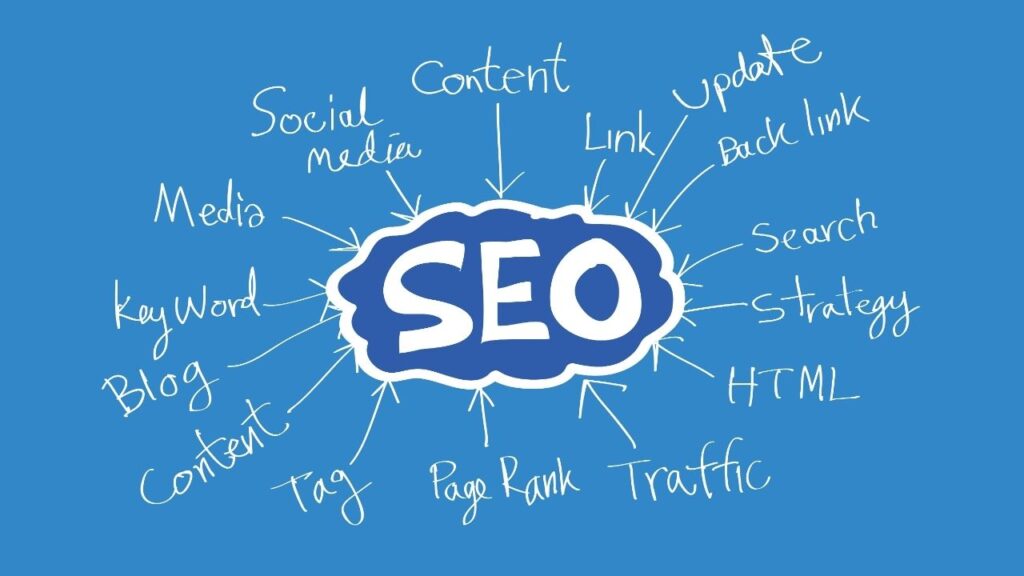
Neglecting SEO can lead to missed opportunities. Without SEO, your website may not appear in relevant search results, leading potential customers to your competitors’ websites instead. Even if you have the best products or services, they won’t matter if people can’t find you online.
Decreased ROI on Digital Marketing Efforts
Furthermore, neglecting SEO can decrease the return on investment (ROI) on your other digital marketing efforts. For instance, if you’re investing in content marketing but not optimizing your content for search engines, you’re not getting the full value out of your content.
Leveraging SEO for Business Growth
Conducting Comprehensive Keyword Research
One of the first steps in optimizing your SEO strategy is conducting comprehensive keyword research. Identifying the keywords that your potential customers are using to find products or services similar to yours allows you to optimize your website and content accordingly.
Creating High-Quality, SEO-Optimized Content
Creating high-quality content that is optimized for search engines is another crucial aspect of SEO. This includes using your keywords naturally within your content, incorporating relevant meta tags, and ensuring your content provides value to your audience.
Optimizing Website Performance
Website performance, including page load times and mobile-friendliness, is a significant factor in SEO. Search engines favor websites that load quickly and provide a seamless experience for users on all devices. Ensuring your website performs well can greatly improve your SEO.
Building High-Quality Backlinks
Backlinks, or links from other websites to your own, are a strong indicator of credibility and authority to search engines. Building high-quality backlinks from reputable sources can significantly improve your SEO.
SEO: A Long-Term Commitment
Effective SEO is not achieved overnight. It’s a long-term commitment that requires ongoing efforts to keep up with algorithm updates, industry trends, and competitive pressures. SEO requires patience and consistency, but the payoff is well worth it in the form of increased visibility, improved brand credibility, and greater organic traffic.
Adapting to Search Engine Updates
Search engines frequently update their algorithms, and staying on top of these changes is essential for maintaining your SEO performance. This might involve making changes to your website or adjusting your content strategy to align with new ranking factors or changes in the way search engines interpret and rank content.
Leveraging Analytics for SEO Improvement
Another critical aspect of successful SEO is leveraging analytics. Tools like Google Analytics and Google Search Console can provide invaluable insights into how users are interacting with your website and which pages or content types are driving the most traffic. By understanding what’s working and what’s not, you can fine-tune your SEO strategy to maximize results.
Embracing Local SEO
For businesses with a local presence, embracing local SEO is crucial. This involves optimizing your website and content for local search terms, claiming and optimizing your Google My Business listing, and managing online reviews. Local SEO can help you attract customers in your local area and outperform larger, non-local competitors in local search results.
The Crucial Role of Mobile SEO
With the majority of search queries now coming from mobile devices, mobile SEO has never been more important. This involves ensuring your website is mobile-friendly and provides a seamless experience for users on all devices. Mobile SEO is not just about improving rankings and visibility in mobile search results; it’s also about improving the user experience and increasing conversions from mobile users.
In conclusion, the importance of SEO for business growth cannot be overstated. By understanding and leveraging SEO, businesses can increase their online visibility, build brand credibility, improve user experience, and ultimately drive more traffic and conversions.
